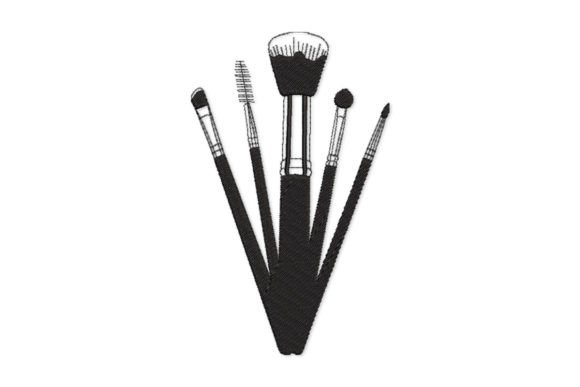
Cosmetics MakeUp Brushes: Design, Workflow, and Practical Application
The intersection of functional beauty tools and decorative arts creates a unique niche in the modern crafting and small business landscape. At the heart of this convergence is the concept of Cosmetics MakeUp Brushes, which serves as both a literal subject matter for artistic expression and a metaphorical anchor for organizing beauty-related workflows. When we discuss Cosmetics MakeUp Brushes in the context of machine embroidery, we are referring to a specific digital asset class: an Embroidery Design that visually renders makeup brushes, palettes, and cosmetic products. This design element is not merely an aesthetic choice; it is a strategic tool for branding, personalization, and product differentiation.
For professionals ranging from boutique owners to freelance designers, understanding how to integrate Cosmetics MakeUp Brushes into a broader production process is essential. Whether you are manufacturing custom cosmetic bags, creating promotional materials for a beauty launch, or simply organizing your personal toolkit with personalized pouches, the application of this design requires careful planning, technical compatibility checks, and a clear vision for the final outcome. The value lies not just in the image itself, but in how seamlessly it fits into your existing workflow, from file selection to the final stitch.
Defining the Asset and Its Role in Production
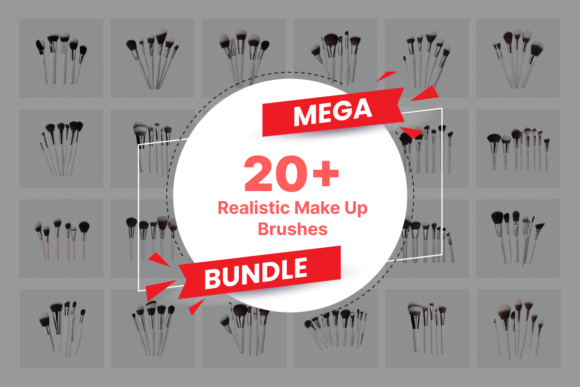
To utilize Cosmetics MakeUp Brushes effectively, one must first understand its structural composition within a digital ecosystem. This embroidery design is a creative pattern that typically features various makeup-related elements, such as foundation brushes, eyeliner applicators, lipsticks, and compacts. These elements are rendered in a way that translates well to fabric, utilizing stitch density and thread color to mimic the sleek, professional look of actual beauty tools.
In a broader production process, this design acts as a visual identifier. It bridges the gap between the utility of a storage container and the identity of the brand or individual using it. For a business owner, applying a high-quality Cosmetics MakeUp Brushes motif to a cosmetic bag transforms a generic accessory into a branded asset. It signals professionalism and attention to detail. For the hobbyist, it offers a way to personalize items that reflect their passion, turning a simple project into a statement piece.
The versatility of this design stems from its adaptability. It can be scaled down for small pouches or expanded for larger tote bags used by makeup artists on location. The key to its success in any workflow is the recognition that the design is a variable component in a larger equation involving fabric choice, thread quality, hoop size, and machine capabilities.
Integration into Pre-Production Planning
Successful implementation begins long before the embroidery machine is threaded. The pre-production phase is where the majority of potential errors are avoided. When incorporating Cosmetics MakeUp Brushes into a project, the first step involves a rigorous assessment of file compatibility and format requirements.
This machine embroidery design comes with multiple embroidery file formats, ensuring broad usability across different platforms. However, having multiple formats does not eliminate the need for verification. Before purchasing or downloading the design, users must cross-reference the available formats (such as .PES, .DST, .JEF, or .EXP) with their specific embroidery machine's requirements. A mismatch here can lead to wasted time converting files or, worse, failed stitching attempts that damage the fabric.
Planning also involves selecting the right substrate. The intricate details often found in brush bristles and handle textures require a stable fabric base. Lightweight silks may distort under the tension required for detailed work, while heavy canvases might obscure fine lines. During the planning stage, creators should consider:
- Fabric Stability: Will the material hold the tension needed for the Cosmetics MakeUp Brushes design without puckering?
- Thread Contrast: Does the chosen thread color enhance the visibility of the brush details against the background fabric?
- Hoop Size Constraints: Does the design fit comfortably within the maximum hoop dimensions of the intended machine?
By addressing these factors early, the workflow moves smoothly from concept to execution. This preparation ensures that when the physical production begins, the focus remains on quality control rather than troubleshooting technical incompatibilities.
Execution: Managing the Stitching Process
Once the planning phase is complete, the execution of the Cosmetics MakeUp Brushes design requires a methodical approach to ensure high-quality results. The complexity of the pattern—featuring various angles, curves, and potentially text labels—demands precise hooping and stabilizer usage.
Stabilizers are critical in this process. Because makeup-related designs often include fine lines representing brush bristles, any fabric shifting during stitching can ruin the definition. Using a cut-away or tear-away stabilizer appropriate for the fabric weight ensures that the design remains crisp. For projects involving stretchy fabrics like jersey or spandex, a flexible adhesive stabilizer is often necessary to prevent distortion.
During the stitching process, monitoring the thread tension is vital. The transition between different areas of the design, such as moving from the dense fill of a brush handle to the satin stitch of a logo, requires the machine to adjust dynamically. Users should run a test stitch on a scrap piece of the same fabric to verify that the needle speed and tension settings produce the desired effect without skipped stitches or birdnesting.
Furthermore, the sequence of stitching matters. Most modern embroidery machines follow a pre-programmed order, but manual intervention may be needed if the design includes appliqué elements or if the user wishes to change thread colors mid-process to match a specific brand palette. Understanding the layering of the Cosmetics MakeUp Brushes design allows the operator to anticipate thread changes and prepare accordingly, minimizing downtime.
Post-Production and Quality Assurance
The completion of the stitching cycle marks the beginning of the post-production phase, where the true value of the Cosmetics MakeUp Brushes design is realized. This stage involves trimming excess threads, removing stabilizers, and inspecting the finished product for defects.
Quality control is paramount, especially for businesses selling these items. A loose thread near the delicate bristle area of the design can detract from the professional appearance of the item. Inspectors should check for consistent stitch density and ensure that no part of the design has been obscured by fabric folds or hoop marks.
After the embroidery is finalized, the integration of the design into the final product continues. If the design was embroidered onto a patch, it must be securely attached to the cosmetic bag or pouch. If it was stitched directly onto the fabric, the edges of the bag must be finished neatly to complement the precision of the embroidery. This holistic view ensures that the Cosmetics MakeUp Brushes motif enhances the overall product rather than appearing as an afterthought.
Long-term use considerations also play a role here. High-quality embroidery should withstand repeated washing and handling. Selecting durable threads and proper finishing techniques ensures that the design remains vibrant and intact over time, reinforcing the durability of the brand or personal item.
Strategic Applications and Workflow Optimization
Beyond the technical execution, Cosmetics MakeUp Brushes offers significant strategic advantages when integrated into various business and creative workflows. For entrepreneurs in the beauty industry, this design serves as a powerful branding tool. Customizing cosmetic bags with this motif creates a cohesive look for product bundles, gift sets, or client giveaways. It reinforces brand identity every time a customer opens their makeup kit.
For educators and bloggers, the design can be used to create teaching aids or merchandise that aligns with their content. A blog focused on makeup tutorials could offer branded pouches featuring the Cosmetics MakeUp Brushes pattern, adding a tangible value proposition for subscribers or course participants.
The flexibility of the design also supports efficiency in inventory management. By standardizing the embroidery design across different product lines, businesses can streamline their production processes. They can maintain a library of pre-tested files, reducing the time spent on setup for each new batch of orders. This consistency leads to faster turnaround times and more reliable delivery schedules.
Moreover, the ability to customize the design slightly—perhaps changing the color scheme to match seasonal trends while keeping the core Cosmetics MakeUp Brushes structure—allows for agility in marketing. Businesses can respond quickly to market demands without needing to commission entirely new artwork from scratch.
Conclusion: A Tool for Professional Expression
The Cosmetics MakeUp Brushes embroidery design represents more than just a pretty picture; it is a functional asset that, when managed correctly, enhances the entire lifecycle of a product. From the initial planning and file selection to the meticulous execution of the stitching and the final quality inspection, every step contributes to a superior outcome.
Whether you are a seasoned entrepreneur looking to elevate your brand or a hobbyist seeking to add a personal touch to your collection, understanding the nuances of this design is crucial. By focusing on compatibility, preparation, and quality control, you can ensure that the Cosmetics MakeUp Brushes motif serves its purpose effectively. In a world where visual appeal and functionality must coexist, mastering the integration of such designs is a key skill for anyone involved in the creation of beauty accessories. The result is a product that not only stores cosmetics but also communicates style, professionalism, and care.